It starts on the farm.
Cattle and pig slurry can be converted into biogas to generate electricity and heat. Choosing a plant starts with feedstock quantity, quality and year-round availability.


A closed biological process connects slurry management with energy production. Every component has a specific task.
Loading the model…
Inside the heated, mixed digester, microorganisms break down organic matter without oxygen. The resulting biogas feeds a combined heat and power unit, which produces electricity and heat together.
Concept model. The cutaway explains the operating principle.
Cattle and pig slurry can be converted into biogas to generate electricity and heat. Choosing a plant starts with feedstock quantity, quality and year-round availability.
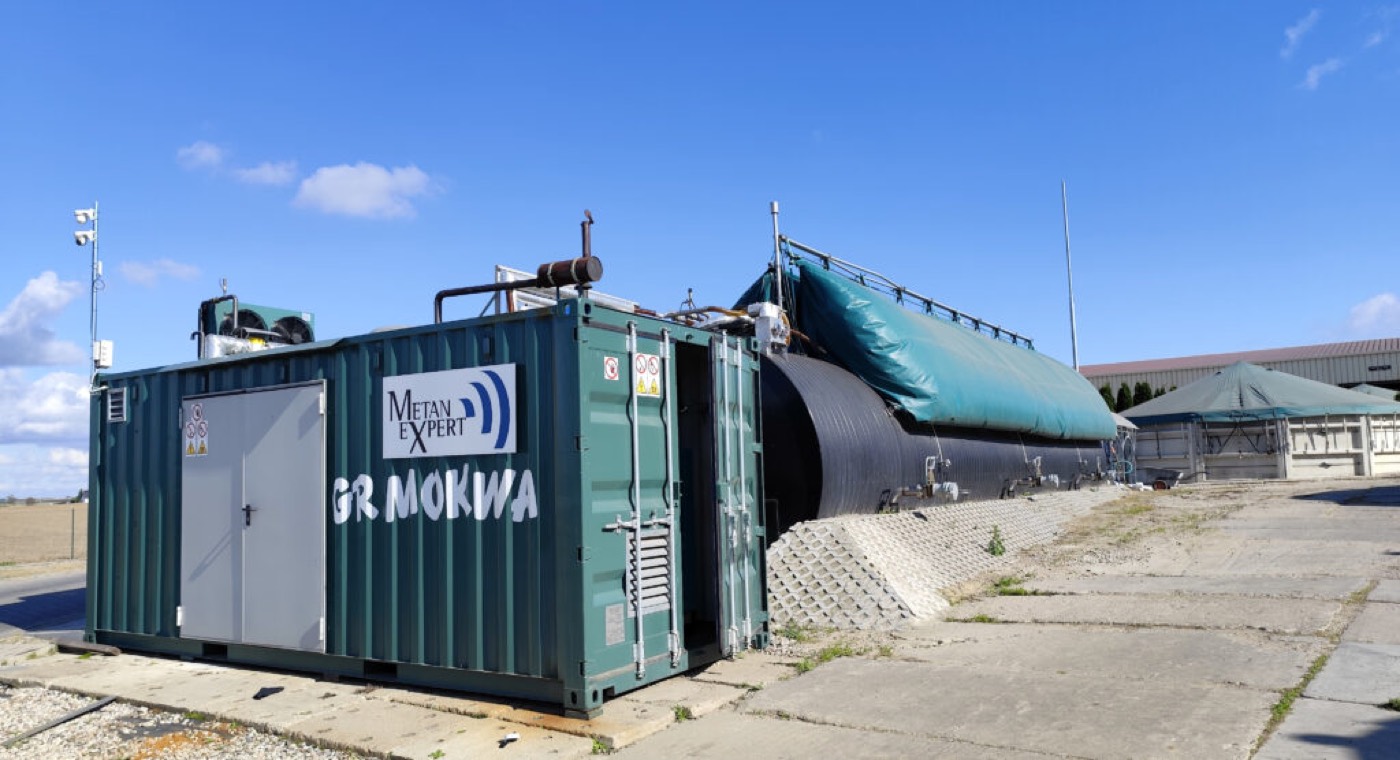
The digester, technical container and pipework form a connected system. It works with suitable storage tanks and equipment that uses the energy on your farm.
Inside the heated, mixed digester, microorganisms break down organic matter without oxygen. The resulting biogas feeds a combined heat and power unit, which produces electricity and heat together.
Biogas is used to produce electricity and heat. Digestate can return to the nutrient cycle.
Liquid feedstock enters the digester. Mixing and heating support the breakdown of organic matter by microorganisms without oxygen.
Biogas feeds a combined heat and power unit that produces electricity and heat. Digestate flows into a separate tank. Existing farm tanks can be integrated once their suitability has been assessed.
The documented MBG-20 installation uses a horizontal HDPE digester, insulation, heating with recovered CHP heat and SUMA mixing equipment.
The technical container and pipework connect the biological process with biogas and energy use.
Daily operation includes preparing and feeding the slurry, checking the system and scheduled maintenance tasks. The time required depends on the farm and how the installation is organised.
The manufacturer describes its own automation and remote access in the MBG-20. Its services include commissioning and process stabilisation, plus support beyond the warranty period. The detailed schedule, scope and terms are set out in the offer.
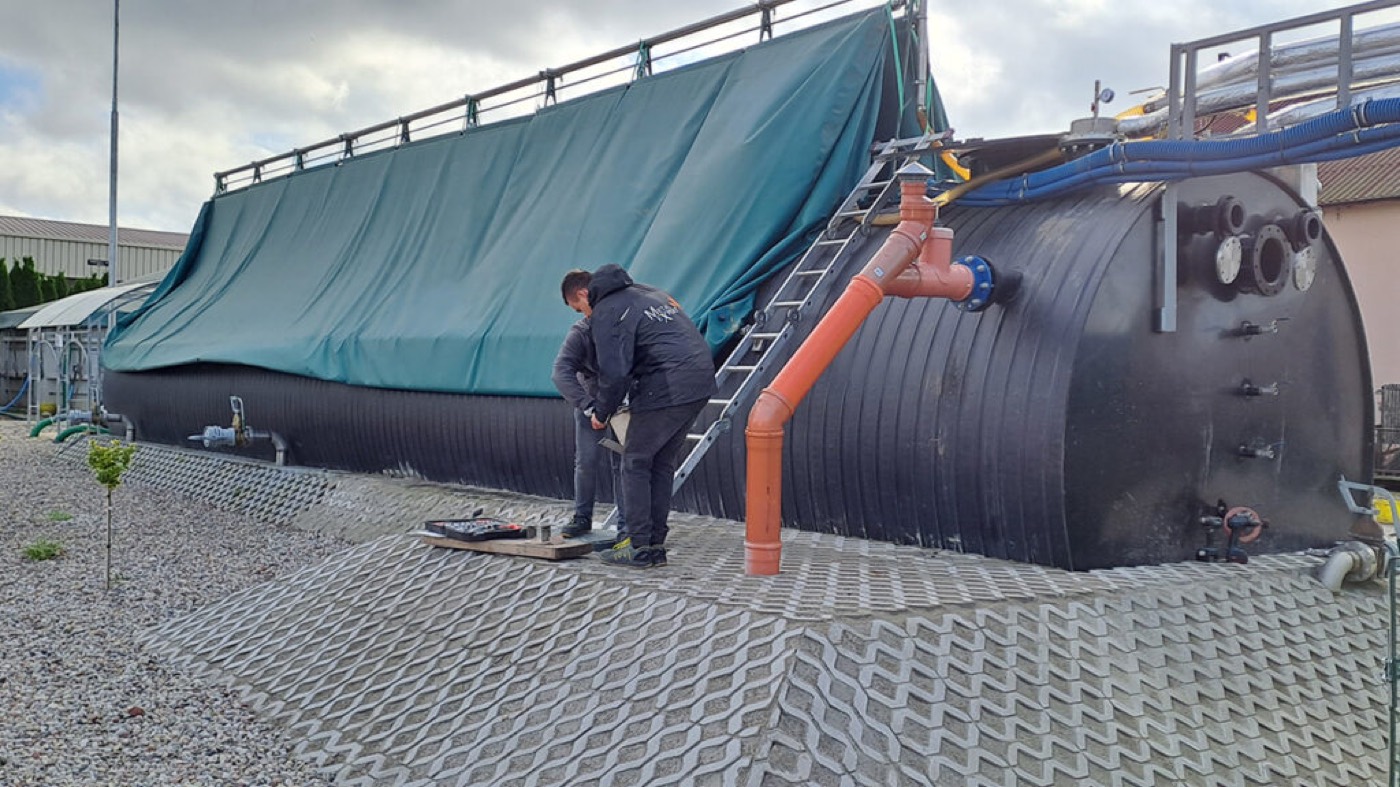
The MBG-20 description dated 22-07-2026 identifies a GAZEX gas detection system, selected ATEX components and an explosion hazard assessment. These describe specific measures, rather than certification of the entire plant.
Safety depends on correct operation, monitoring and maintenance. The protection measures and procedures should follow the documentation for each project.
Planning covers feedstock supply, digestate storage, vehicle access, servicing access, and electrical and heat connections. The project determines the space needed, not the dimensions of the 3D model.
The manufacturer describes simplified siting of the MBG-20 on prepared ground. The concrete base shown in the model is a presentation element, not a construction requirement for every site.
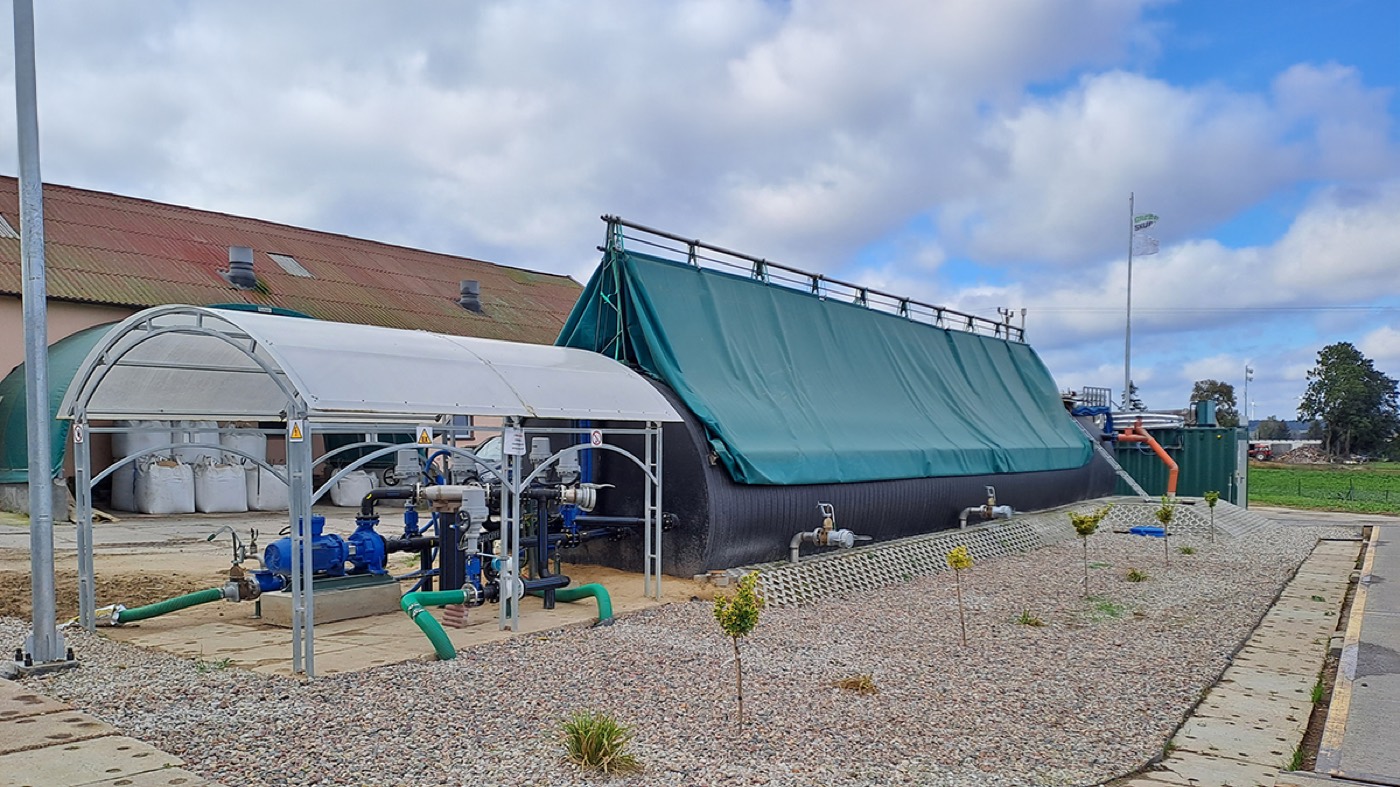
Digestate contains nutrients and can return to the nutrient cycle. Its storage and transport form part of the farm plan.
A closed process and well-organised storage help reduce emissions and odour nuisance. The effect depends on the whole system and its operation.
Automation supports operation, but does not replace operator supervision or inspections. Daily tasks and service arrangements are agreed for each project.
Some is used for digestion. Use of the remainder depends on the season, temperatures and equipment that can use the heat.